01.12.2025
Filter Choice
How to choose the right water filter and what to consider first?
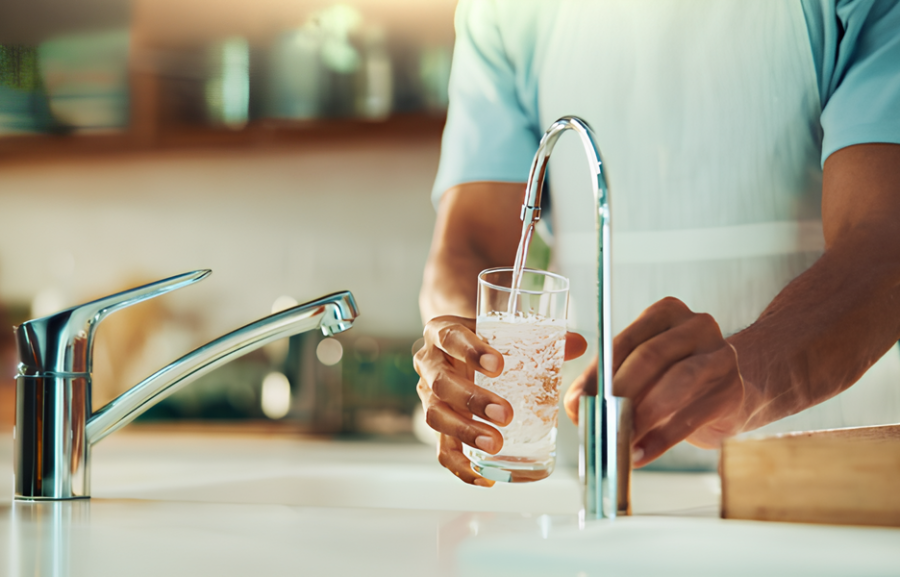
Switching to clean water is one of the healthiest decisions you can make for your home and your body. But once the decision is made, the main question appears: which filter should you choose?
Modern water purifiers differ by design, technology, and cleaning efficiency. To choose correctly, it’s important to understand several key criteria. Below is a detailed guide.
Main Criteria for Choosing a Filter
1. Daily Water Consumption
An average person needs 1.5–5 liters per day for drinking and cooking. Around 40% of liquid intake comes from food, but total water demand remains high. If a whole family uses filtered water, consumption increases by 2–3 times. A pitcher filter works for about 300 liters — roughly one month. If a family drinks much more, frequent refilling becomes inconvenient.
2. Water Composition and Quality
To ensure the filter works properly, you must understand what exactly it needs to remove.
Typical water contaminants:
- insoluble particles (sand, rust)
- organic substances (phenols, chlorinated compounds, pesticides, oil residues)
- dissolved metal salts (copper, zinc, lead, nitrates)
- chlorine — essential for disinfection
A proper filter system should contain:
- mechanical filtration
- carbon sorption
- ion-exchange material
If you don’t want to analyze contaminants, the most universal solution is reverse osmosis, which removes all impurities including hardness salts and heavy metals.
- 3. Available Space in the Kitchen
Often underestimated:
Jug filter — minimal countertop space.
Under-sink flow system without tank — compact.
Reverse osmosis — traditionally larger, but new compact models now exist.
4. Price and Level of Purification
Filter cost depends on the technology used.
Average prices (AZN):
- Jugs — 26–35
- Under-sink sorption system — 190
- Reverse osmosis — 280–990
Cleaning quality differences:
- Pitcher — basic contaminants only
- Sorption system — deeper purification
- Reverse osmosis — removes 99.9% of all impurities
5. Maintenance
Every filter needs regular service:
- Mechanical cartridges — replace when pressure drops
- Sorption blocks — change according to lifespan
- Osmotic membrane — every ~1.5 years
Some models allow DIY replacement; others require a technician.
Detailed Breakdown of Filter Types
Jug Filter
Pros:
- Affordable
- No installation needed
- Suitable for offices, rentals, countryside houses
Cons:
- Low water volume
- Only basic purification
- Does not soften water
Under-Sink Sorption Filters
Pros:
- Removes many common impurities
- Compact
- Improved sorption blocks
Cons:
- Cartridges must be replaced regularly
- Does not fully remove hardness salts
Reverse Osmosis
Pros:
- Maximum purification
- Eliminates hardness salts completely
- Produces premium-quality drinking water
- Ideal for coffee, cooking, and appliances
Cons:
- Professional installation recommended
- Slightly more space required (compact models available)
For many years, Azfilter has been providing complete water purification solutions, from simple jug filters to advanced reverse osmosis systems.
We offer:
- a wide variety of filters for any budget and need
- official products from global brands
- professional installation
- high-quality service and cartridge replacement
- free consultation and lifestyle-based filter selection
Our goal is simple: to bring clean, safe, delicious water to every home.