16.01.2026
Medical Water
Why Reverse Osmosis Is a Standard in Medical Water?
1. Why Reverse Osmosis Is So Important in Medicine
Reverse osmosis is a technology that removes up to 95–99% of all contaminants from water, including:
- hardness salts
- bacteria and microorganisms
- viruses
- heavy metals
- residues of pharmaceutical and chemical compounds
In medical institutions, even minimal deviations in water composition can:
- affect the accuracy of laboratory tests
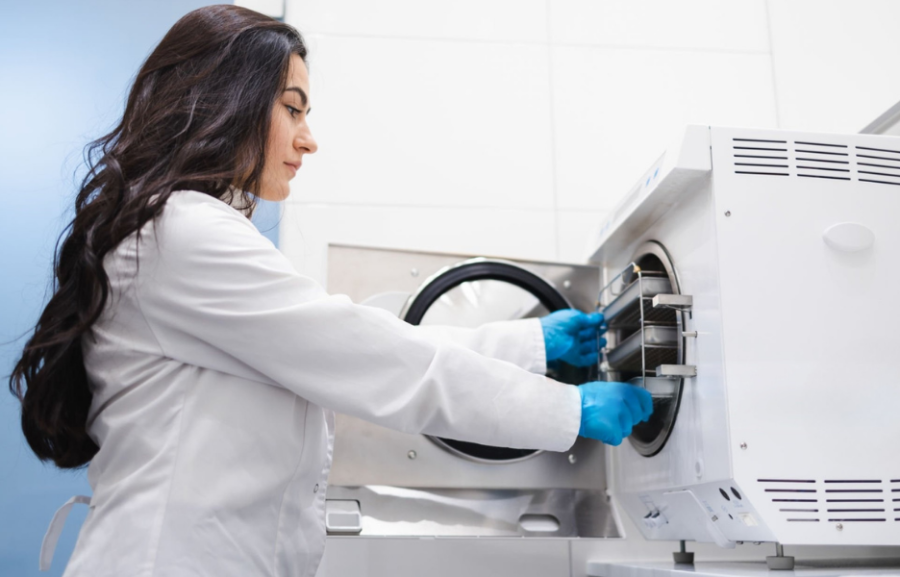
- reduce the effectiveness of sterilization
- cause corrosion of equipment
- create risks for patients
For this reason, standard filtration is insufficient — medicine requires consistently pure water with a controlled composition.
2. What Happens Without a Reverse Osmosis System
When untreated or insufficiently treated water is used, hidden but serious problems arise:
- scale forms on medical equipment
- sterilization processes become less effective
- the risk of microbial contamination increases
- the lifespan of expensive equipment is reduced
- maintenance and repair costs rise
This is especially critical for:
- dialysis centers
- laboratories
- operating rooms
- dental clinics
Under such conditions, water ceases to be a neutral medium and becomes a risk factor.
3. What Changes With Reverse Osmosis
A reverse osmosis system completely transforms the approach to water supply in healthcare:
- equipment operates under stable conditions
- sterilization becomes reliable and predictable
- the likelihood of cross-contamination decreases
- equipment wear is reduced
- international sanitary standards are met
Clean water becomes part of the safety system, not just a resource.
4. Where Reverse Osmosis Is Used in Medicine
- Reverse osmosis water is used in:
- medical and clinical laboratories
- dialysis departments
- pharmaceutical production
- dental offices
- sterilization areas
- preparation of medical solutions
In all these areas, the key requirement is the same — predictable water quality free from impurities.
5. Reverse Osmosis as a Standard, Not an Option
In modern medicine, reverse osmosis is no longer an additional technology, but a basic standard of water treatment.
It:
- protects patients
- ensures procedural accuracy
- extends the lifespan of equipment
- helps medical facilities comply with regulations
When health and life are at stake, compromises are unacceptable. That is why reverse osmosis occupies a central place in medical infrastructure.
AzFilter designs and implements reverse osmosis systems for medical facilities based on specific needs and regulatory standards.
We provide full support — from system selection and installation to post-installation feedback and technical assistance.