
11.11.2025
Karabakh Waters
Karabakh’s reservoirs— foundation for agriculture and resilience
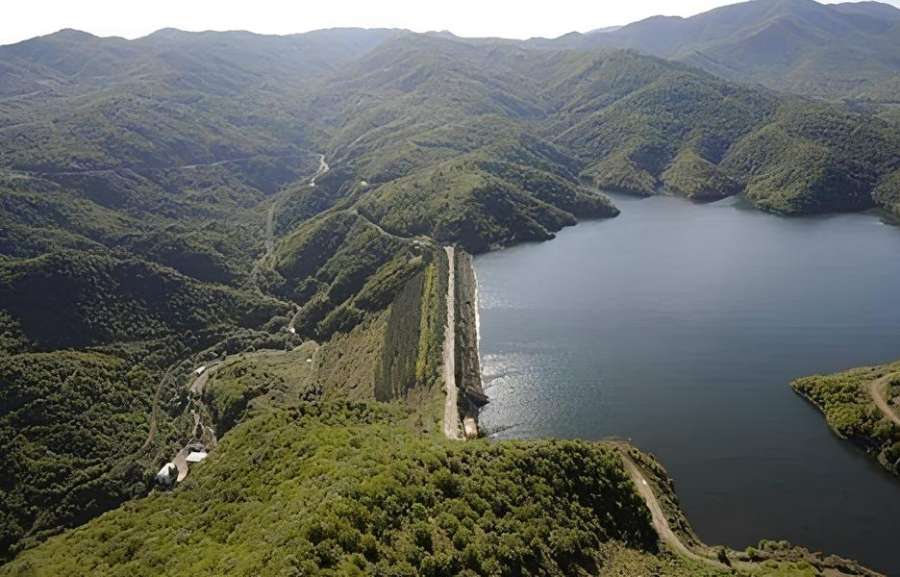
The Karabakh and Eastern Zangezur regions have always been strategically important for Azerbaijan’s water resources. The river network, natural springs, and reservoirs in this area play a key role in agricultural irrigation, drinking water supply, and energy production. For many years, part of this infrastructure remained inaccessible or severely damaged. After the liberation of the region, restoring and modernizing the water management system became one of the central priorities of reconstruction.
Existing Reservoirs and Their Importance
Karabakh has 9 reservoirs and 14 rivers, providing approximately 20–25% of the country’s water resources. Key reservoirs include:
- Sugovushan Reservoir, built in 1976, provides both irrigation and domestic water supply. After the liberation of the area, it was fully restored and is currently in active use.
- Sarsang Reservoir, also constructed in 1976, serves dual purposes — energy generation and agricultural irrigation. At present, monitoring is being carried out regarding its operational safety.
- Khachinchay Reservoir, commissioned in 1985, is used for both water supply and irrigation. Reconstruction works have been completed and the reservoir has been returned to operation.
- Kondalanchay-1 and Kondalanchay-2 reservoirs, built in the 1960s–1970s, are part of the regional irrigation system. Strengthening and modernization work is currently underway to improve their reliability and efficiency.
Restoration supports:
- revival of agriculture,
- stability of drinking water supply,
- restoration of ecological balance.
Restoration and Modernization Program (2021–2025)
Key development priorities:
- Enhancing the technical safety of existing reservoirs
- Construction of new irrigation systems
- Reducing water loss with modern distribution networks
- Building drinking water treatment and supply plants
- Implementing digital water monitoring infrastructure
New and Planned Reservoir Projects
Goals include:
- reducing dependence on seasonal water fluctuations,
- ensuring stable irrigation for agriculture,
- increasing long-term drinking water security.
Projects under development:
- New reservoir systems in Lachin and Kalbajar
- Modern drinking water treatment infrastructure in Fuzuli
- Complete renewal of irrigation networks in Aghdam and Jabrayil
These efforts drive agricultural productivity and socio-economic revitalization of the region.
Nationwide Context
Azerbaijan currently has 153 reservoirs with a total capacity of 21.5–21.9 billion m³. The Mingachevir Reservoir is the largest. Karabakh accounts for up to 25% of the country’s water reserves.
Restoring Karabakh’s reservoirs is not only an infrastructure task. It represents the foundation of sustainable development, environmental recovery, and renewed life in the region.
This process:
- increases agricultural productivity,
- ensures the safety of drinking water,
- restores ecological balance,
- accelerates resettlement and socio-economic recovery.
Water is both the beginning and the continuation of the region’s revival.